Hitchhiking Around Paradise In Rurutu
Beneath a grapefruit tree on the road that rings the Polynesian island of Rurutu, my six-year-old daughter stuck out her thumb. The first car, a Mini-Cooper, stopped and the driver greeted us in Tahitian. “Ia orana! My name is Tom. Where would you like to go?”
We chose to spend our family vacation on the remote island of Rurutu to beat the crowds and experience a more laid-back version of French Polynesia. Many of French Polynesia’s 118 islands fly under the travel radar. This is especially true of Rurutu, one of the seven Austral Islands that are strung like pearls across the ocean 400 miles southwest of Tahiti.
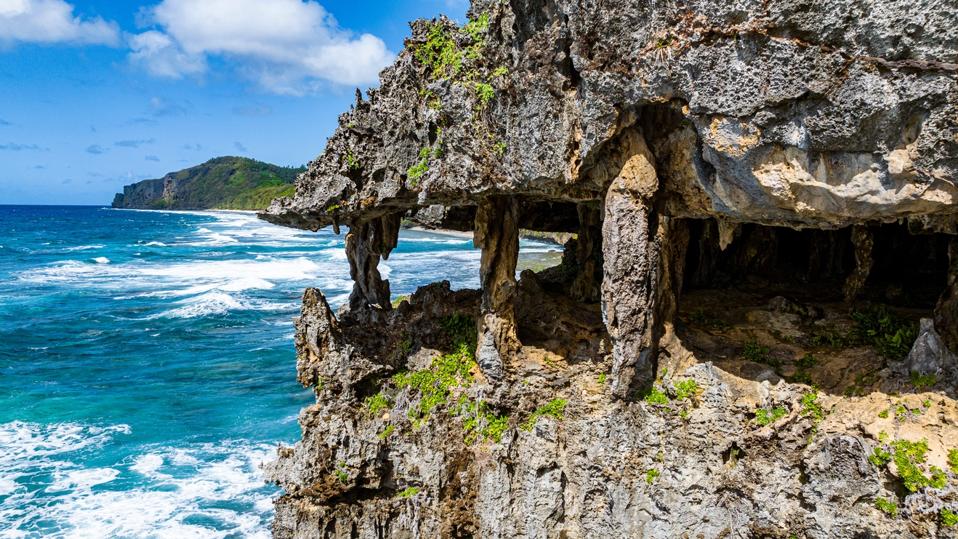
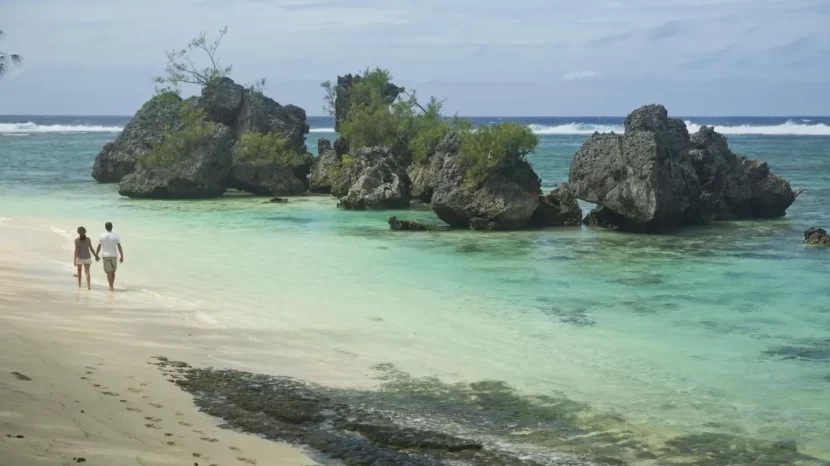
Photo: © Michael Runkel, courtesy of Tahiti Tourisme
Unlike more popular South Pacific destinations like Bora Bora or Moorea, Rurutu is a welcome throwback to a more mellow paradise with strong ties to traditional Polynesian culture.
When we arrived after the 75 minute flight from Tahiti, everyone in the one-room, open-air airport was bedecked with fragrant, handmade leis. Our kids’ eyes went wide with wonder when they, too, were adorned with flowers by our hosts at Vaitumu Village, a small, peaceful hotel where we rented a bungalow.
To get a feel for Rurutu and meet some of the 1,200 people who live there, we decided to try hitchhiking. The island just three miles wide and seven miles long, bordered on all sides by clear, sapphire seas. Circling Rurutu on the narrow, tree-lined main road takes less than an hour.
Friendly locals were always happy to give us a ride during our week-long stay. Many of them went out of their way to show us the island.

Tom, a high school teacher who was the first person to give us a lift, took us to the grocery store in Moerai, the island’s largest village. He told us he prefers the slow pace of Rurutu after growing up in busy Papeete, Tahiti. “I don’t have kids yet, but when I do I want to raise them here, where it is tranquil and everyone is kind,” Tom said.
At the living-room-sized market, we selected crackers, peanut butter, cold Perrier and a few slices of handmade pizza for lunch, then took our bounty to a shady sea wall. After a quick dip in the jade-green shallows, we wandered back to the main road and once again stuck out our thumbs.
Next stop: the Monster Cave, a stalactite-encrusted natural wonder tucked inside Rurutu’s white cliffs. We were so enamored of the cave’s unique beauty—and confused by the many trails disappearing into the brush—that we paid for a guided tour the following day.
Iosefa Maaro, our guide, handed out gloves and showed us how to carefully climb the sharp limestone. He guided us with a flashlight through a series of caves, pointing out shimmering crystal salts on one side and sweeping vistas of the sparkling Pacific on the other.