Skip The Serengeti Crowds—Visit Southern Tanzania For A Wilder Safari
Less visited national parks in Tanzania like Nyerere and Ruaha offer intimate safaris and up-close encounters with Africa’s wildlife.
Story by Brianna Randall | Photos by Rob Roberts
I faced Africa’s largest wildlife reserve from a small wooden platform fifteen feet off the ground. Hippos waded in the lake in front of me. A trio of giraffes nibbled acacia leaves behind me.
“Should I be worried about those lions back there?” I asked Calist Peter Njau, my guide at Nomad’s Sand Rivers lodge in Tanzania’s Nyerere National Park. We’d spotted two young males napping in the sun on the five-minute drive from the lodge to the hide.
“They won’t bother you,” Njau reassured me. “If you want, we can go out with your kids after dinner to see if we can spot the lions hunting.”
Then he drove away, leaving me alone in the wilderness—exactly where I wanted to be.
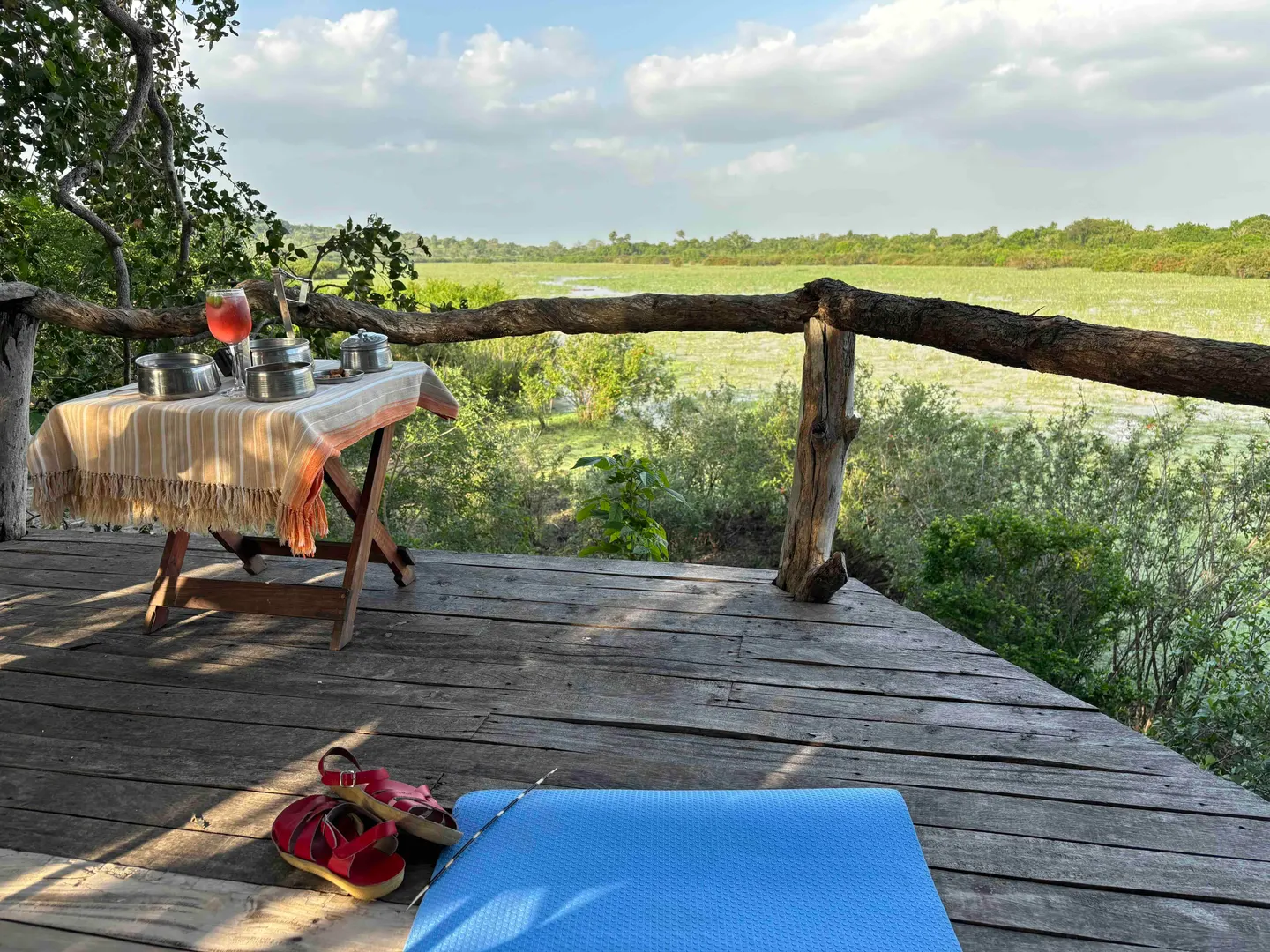
I’d chosen to bring my family to lesser-visited national parks in southern Tanzania precisely so I could get up-close, intimate encounters with the Big Five: rhino, elephant, leopard, lion and cape buffalo. We wanted to go on safari without a continuous cavalcade of other tourists in the background.
“The northern Serengeti circuit is over-touristed,” said Kassandra Magruder, a senior trip planner for Adventure Life, when I interviewed her about safari options in Tanzania. “It’s lines and lines of cars idling along the river. I prefer to send clients to the south so they get the experience of being truly in the wild.”
Most of the 2 million international tourists who visit Tanzania each year funnel into the Serengeti. Meanwhile, only a small fraction of tourists visit the southern half of the country, which boasts some of the largest protected landscapes in Africa.
Nyerere National Park is the biggest park in Africa (larger than Switzerland) and the adjacent Ruaha National Park is Tanzania’s second largest park. Both are astonishingly rich in wildlife.
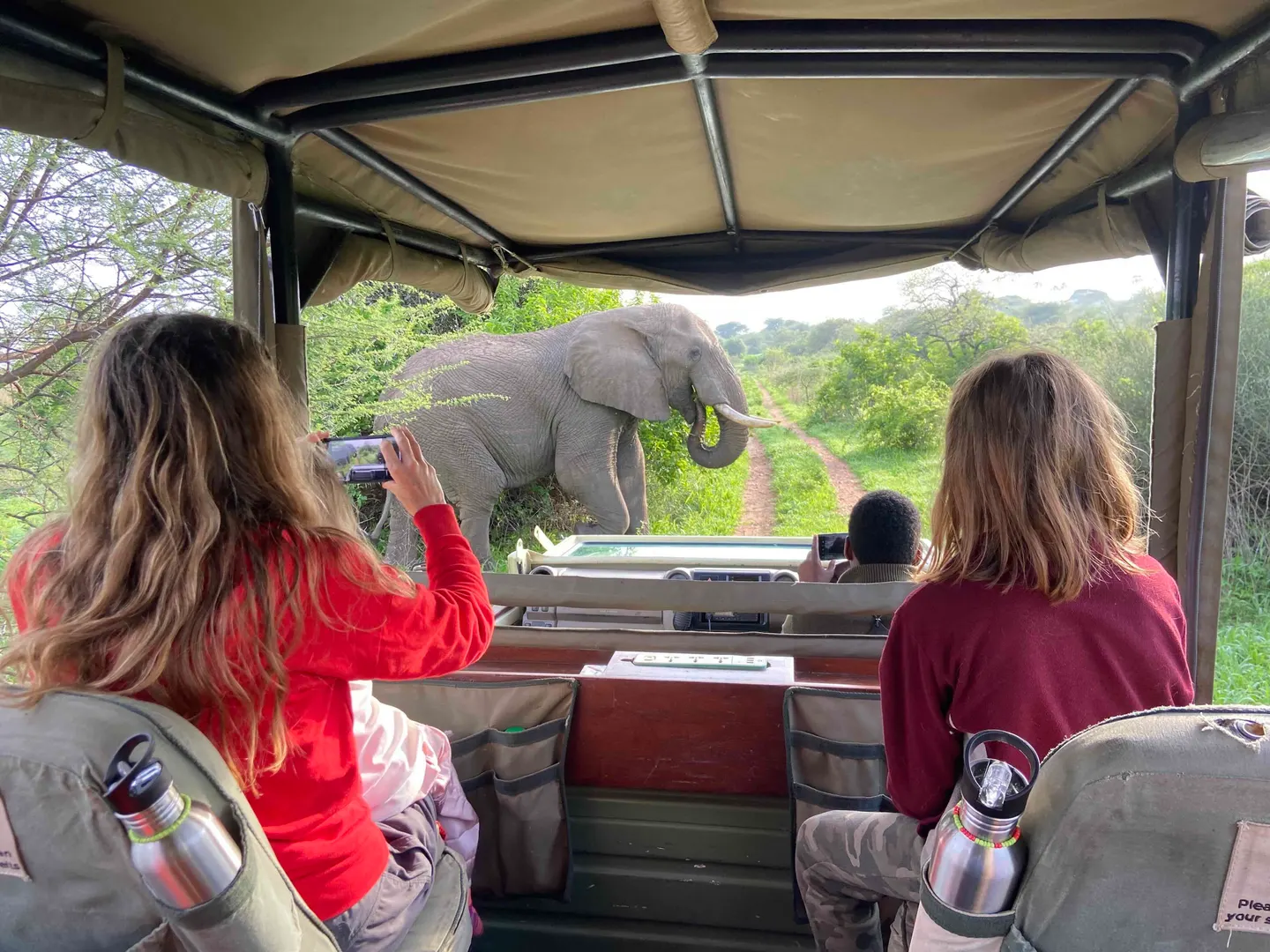
Alone in the hide, I was “truly in the wild”, as Magruder had promised. But I definitely wasn’t roughing it. The lodge had left me with a full bar on the shady wooden platform, along with homemade focaccia crackers, roasted cashews and fresh fruit.
I made myself a gin and tonic, then settled into a camp chair with binoculars. Bee-eaters swooped through acacias and herons stalked through lily pads.
A sudden crash in the bushes made me jump. I swiveled, heart racing and drink sloshing, to find a mother elephant and her calf eating leaves just a stone’s throw away. They paid me no mind, and I watched them wide-eyed until Njau fetched me an hour later.
